Pagode of Seeing

About the piece
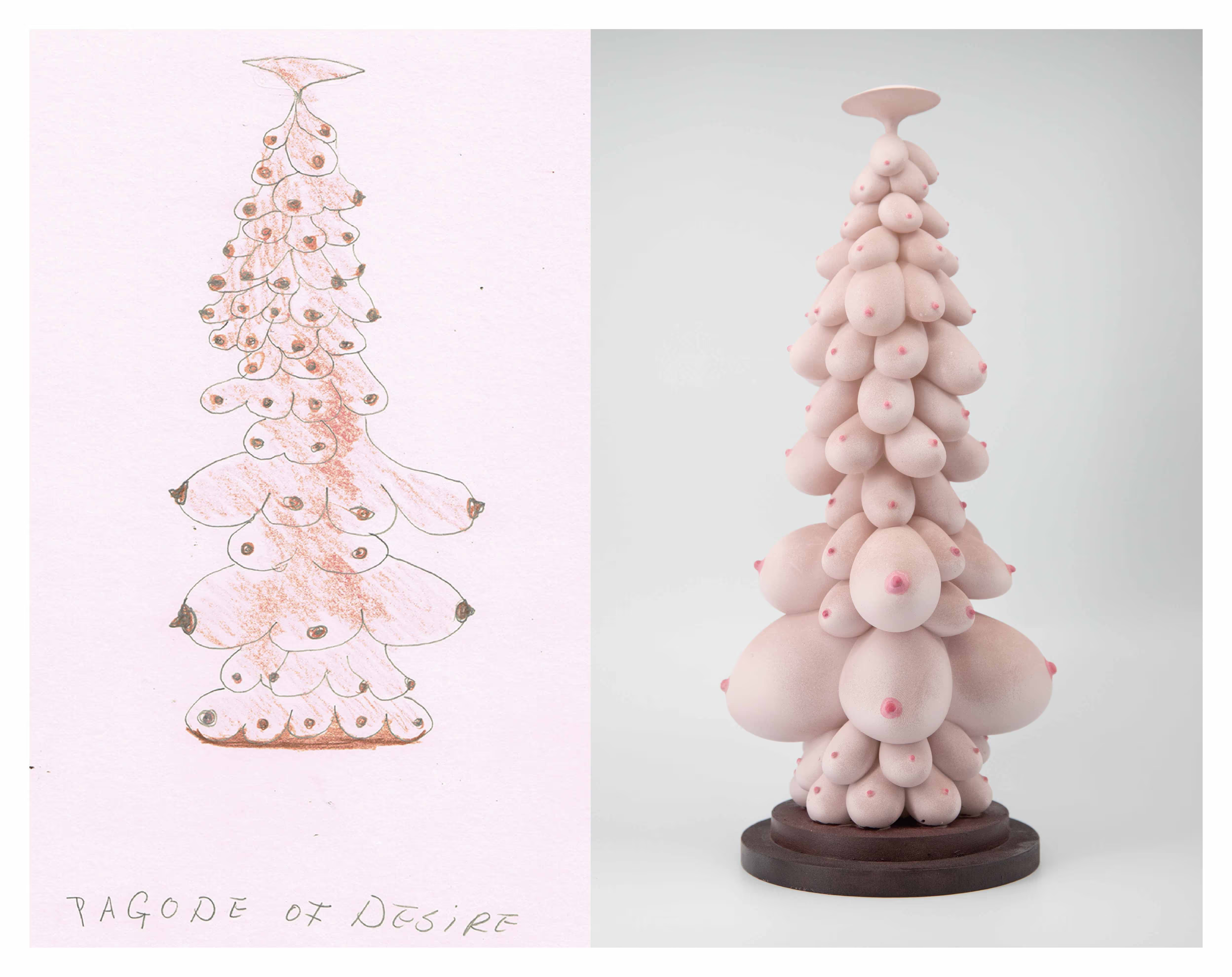
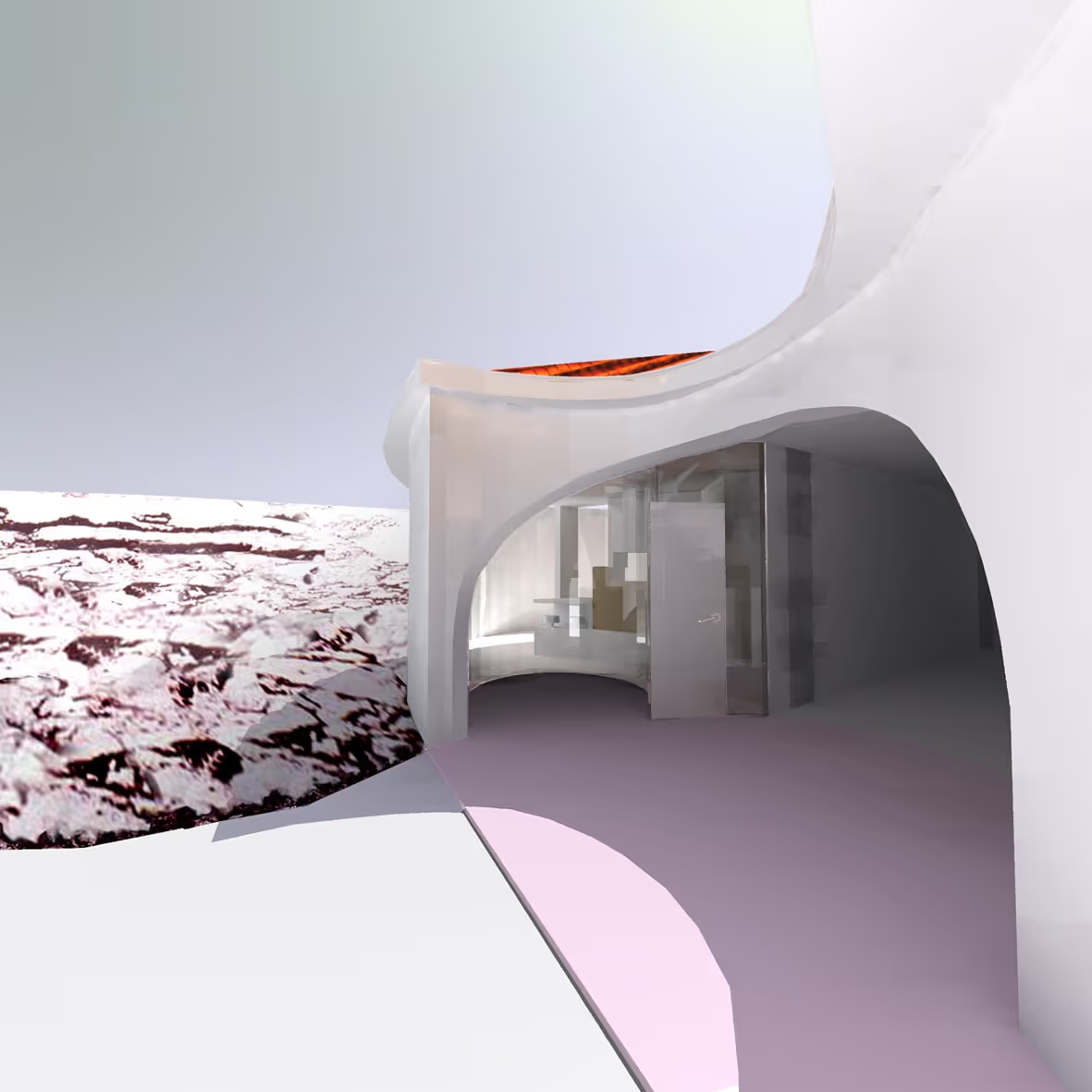
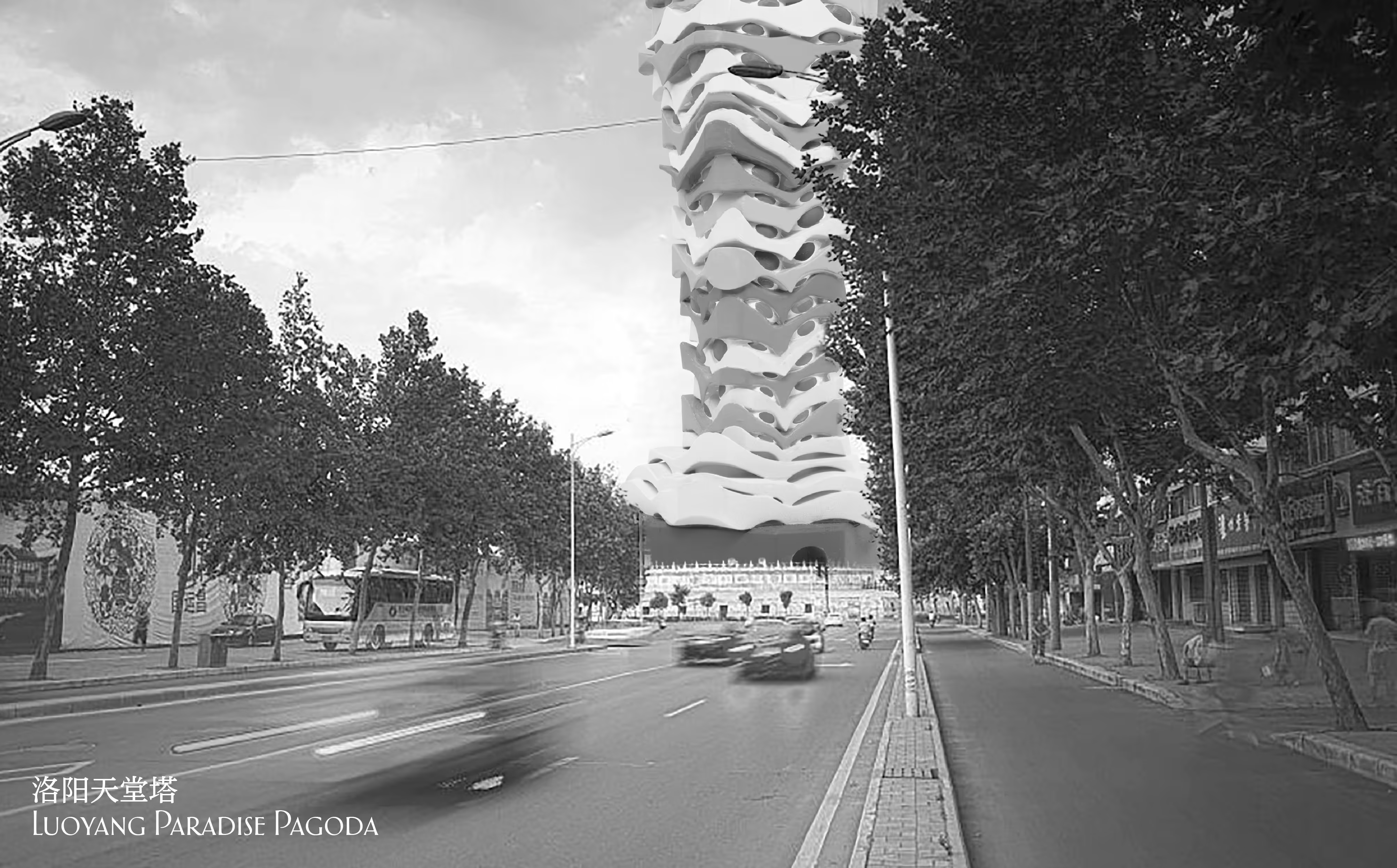
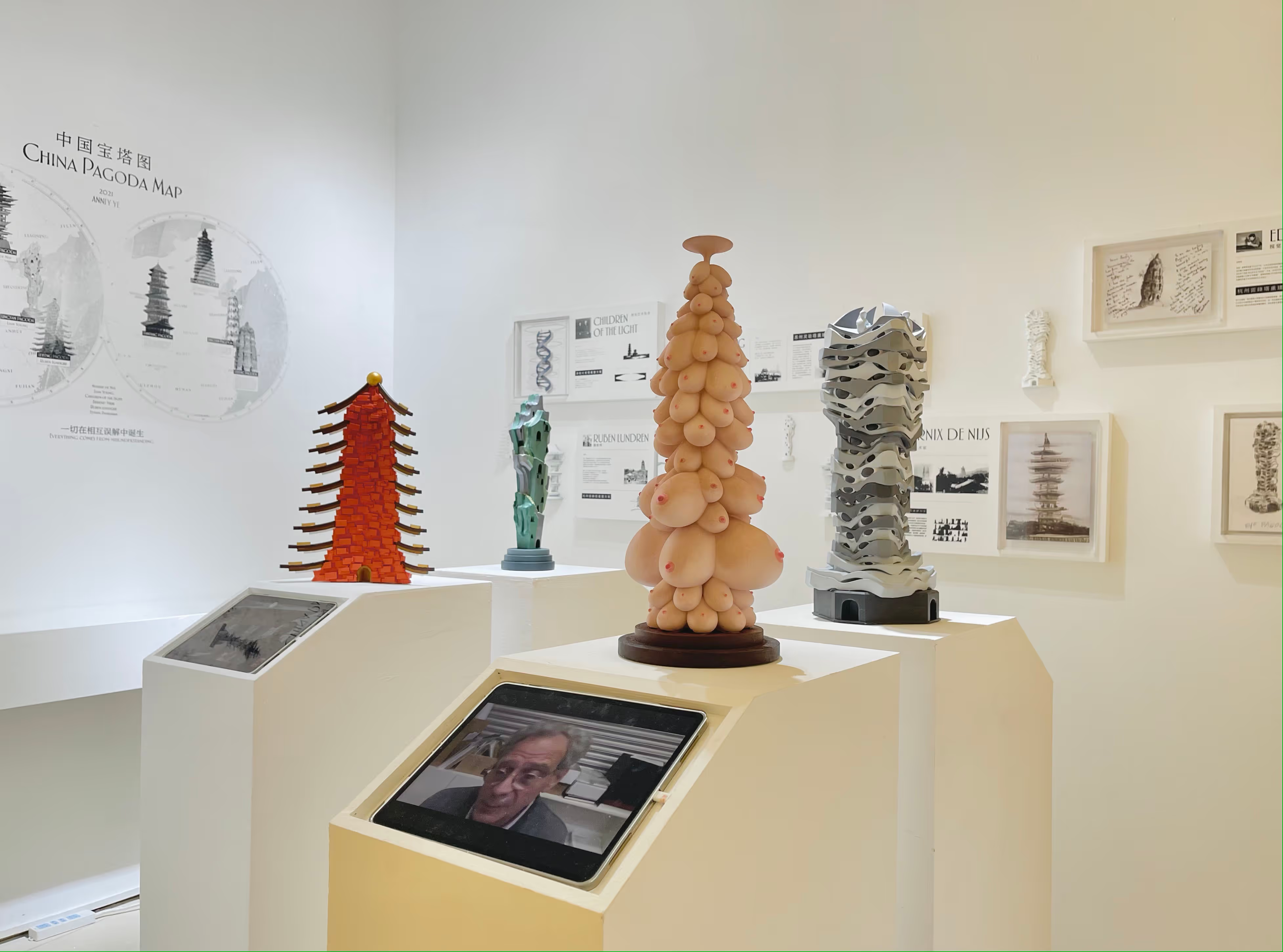
Pagode of Seeing is part of Berend Strik's ongoinginvestigation into architecture, perception, and cultural memory. The pagoda —an architectural form referencing Buddhist traditions but widely appropriatedin Western imagination — serves as a vehicle for examining how cultural formsare transformed and invested with new meanings.
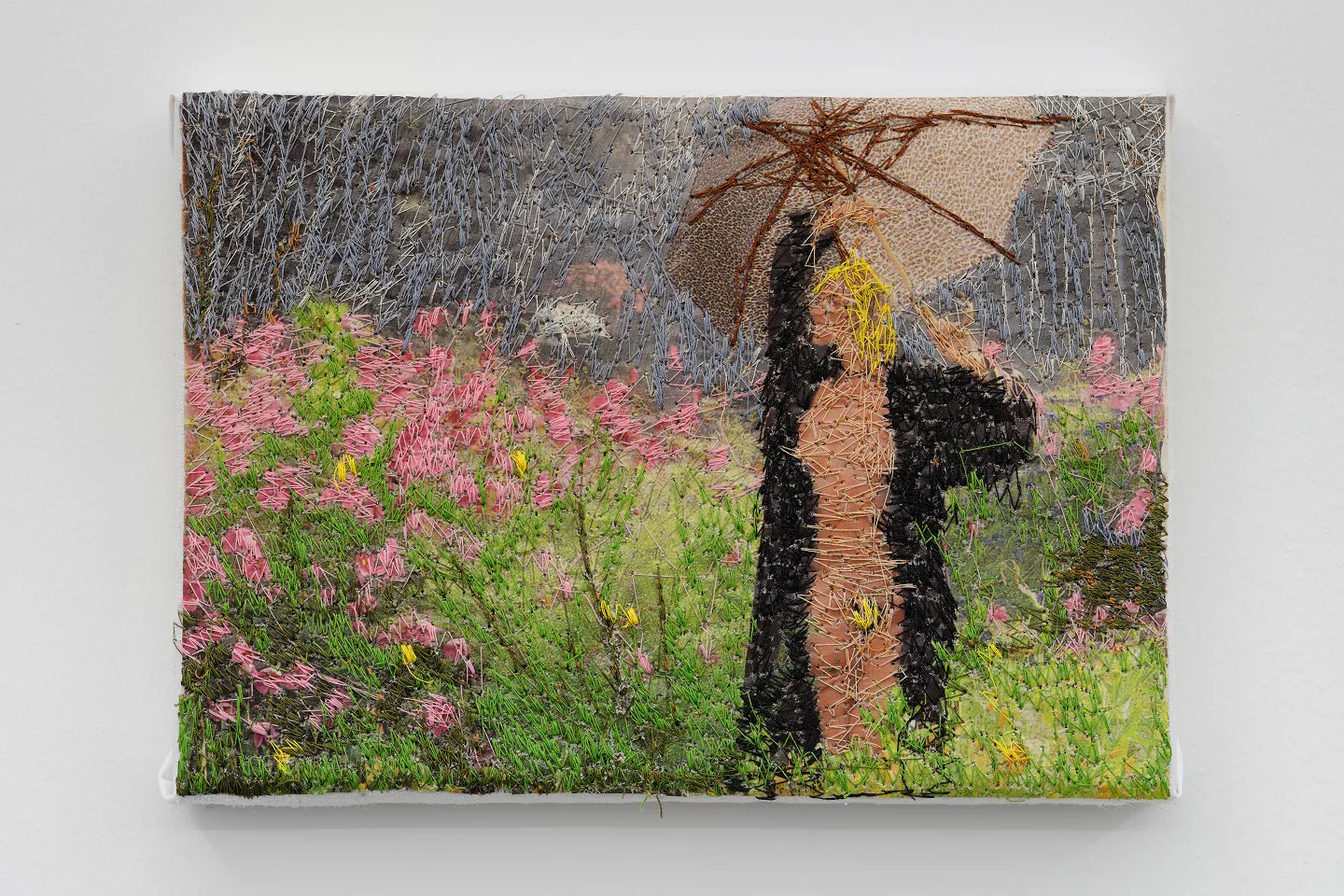
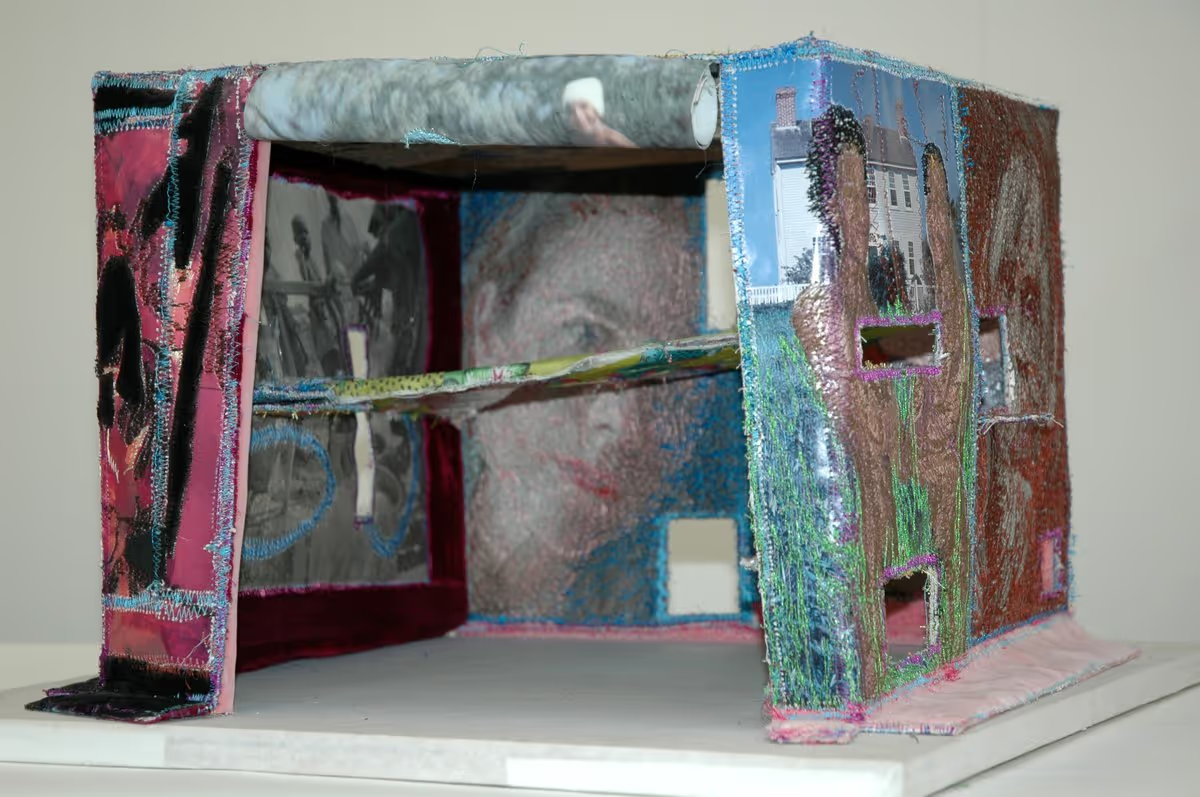
Strik's approach involves photographing architectural subjects and thenenhancing them with textile elements — velvet, tulle, threads — that layer newmeanings onto the original image. This process creates a visual dialoguebetween the documentary photograph and the artist's subjective interpretation.
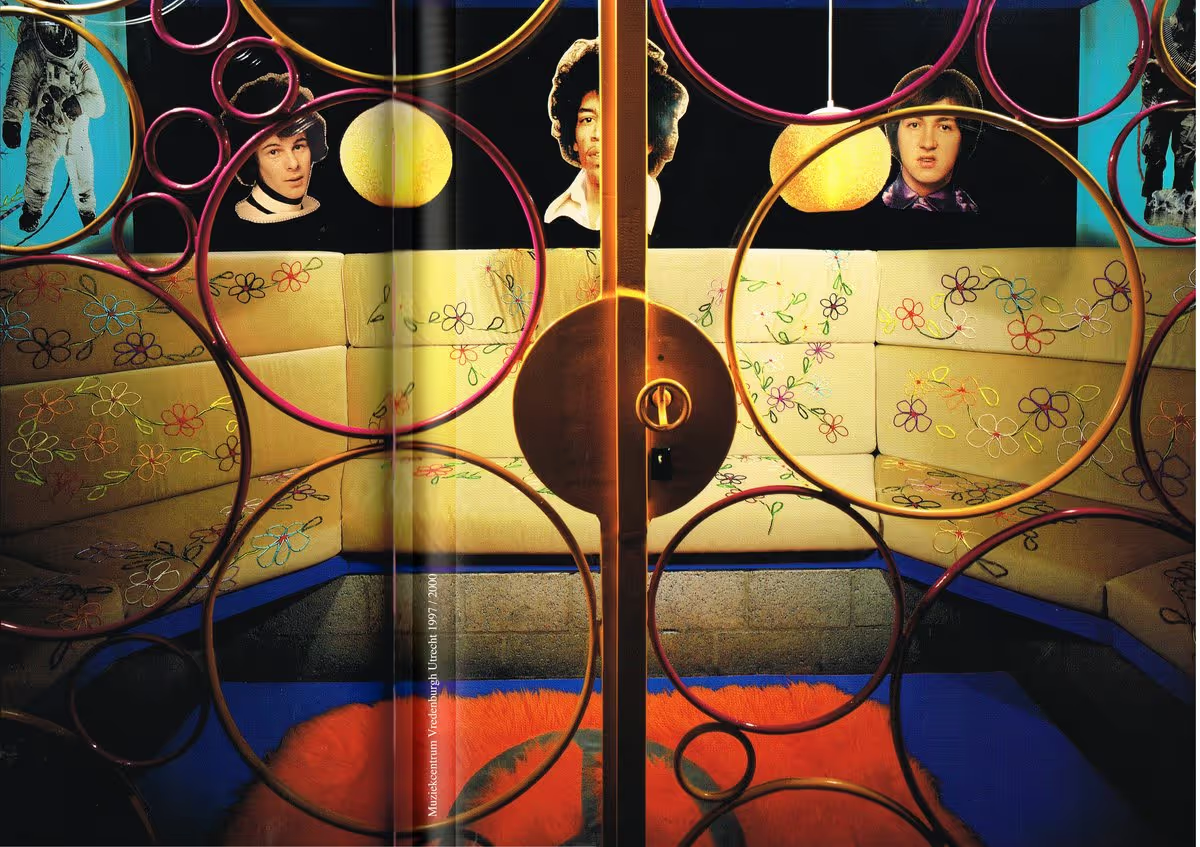
As with all his work, Strik is less concerned with the architectural objectitself than with what it represents: the intersection of memory and space, theway buildings become repositories of desire, aspiration, and cultural identity.His stitched photographs create what he calls an "intermediate space"— between the fixed image and the viewer's imagination.
Sources: Wikipedia· Fons Welters
More Artworks from this category